A clear process.
A better result.
Understand. Plan. Build. Grow. Four stages that turn an idea into something that lasts — and one honest conversation at the start that decides whether it should be built at all.
Nothing magic.
Just done properly.
Every project runs through the same four stages, whether it is a small internal tool or a system a company depends on. How long each one takes depends on the project — that they all happen does not.
Understand
We start with the problem, not the solution. Who is it for, what is in the way, and what would actually count as better?
Plan
Scope, architecture, budget. We map the route before anyone writes code, so surprises stay small.
Build
Short iterations, working software, no black box. The thing grows in front of everyone instead of being revealed at the end.
Grow
Launch is the start. We measure, refine and keep the product alive long after the first release.
The problem first,
the idea second.
The first conversation is a mutual sniff test. What is the plan, and are we the right people to build it? If we are not, saying so early is cheaper for everyone than noticing it late.
And we want more than the idea — we want the processes behind it. Only after walking the proverbial hundred steps in someone else's shoes is it possible to say what should be built, and what is better left alone.

We argue back
In this phase we are a sparring partner, not a contractor. We think along and contradict when we believe there is a better proposal — and we keep turning the approach over until everyone is convinced it is the right one.
A ballpark before anything starts
Once it is clear what this is about, we give a first estimate for a rough price. If the order of magnitude fits, we carry on. If it does not, the conversation still produced something worth having.
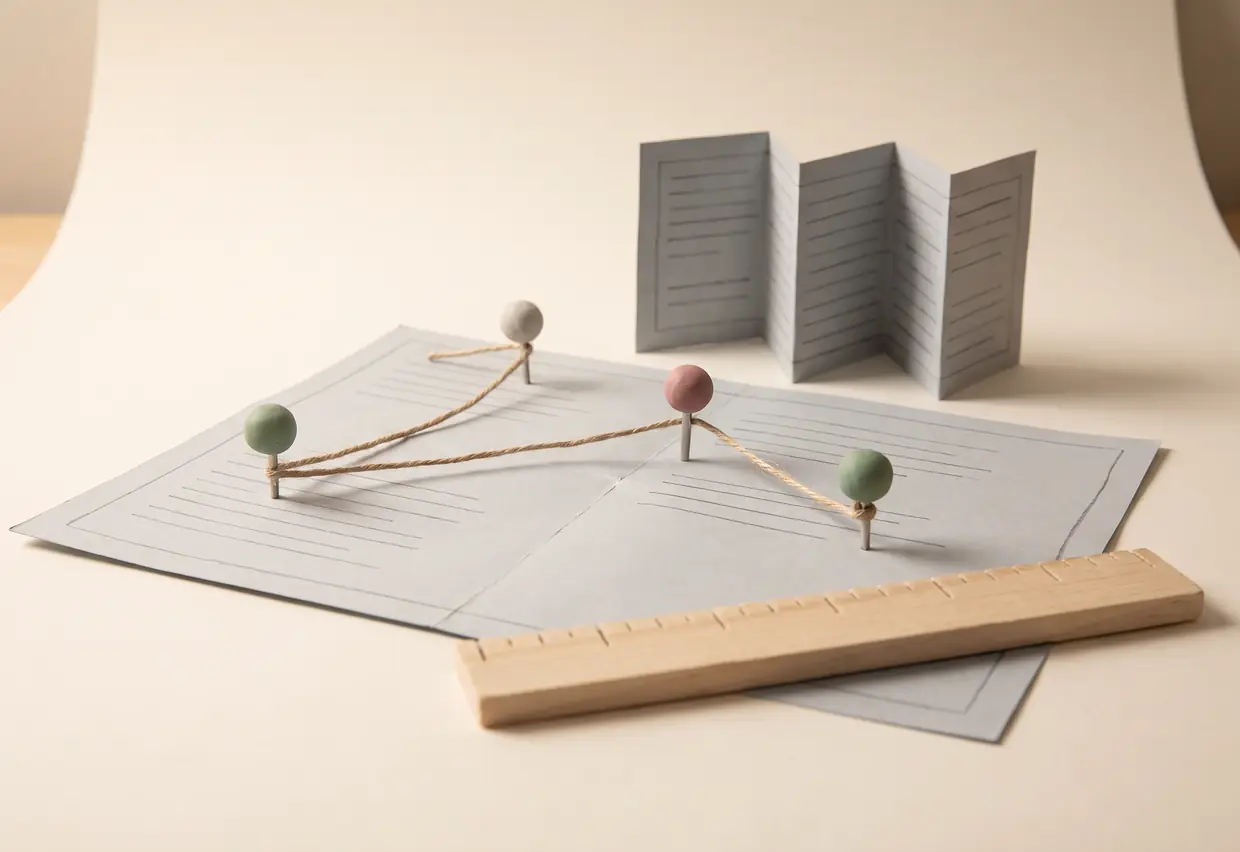
Draw the route before
anyone sets off.
In the kick-off workshop we settle the scope, work out the details together, set milestones and lay down a schedule. What comes out of it is not paperwork for the archive — it is the basis for a binding quote.
From estimate to quote
With the specification written together, the first price estimate gets sharpened, the gaps get filled and the definitive quote is calculated. Two stages instead of one number pulled out of the air — and the second one holds.
Architecture is planning too
How far does it have to grow? What shape is the data? What has to connect to it? Those questions belong here, not in the third week of development when the answer is expensive.
Growing in the open,
not behind a curtain.
First wireframes, then mockups and prototypes, always in close collaboration. After that it is continuous development and testing, with new ideas discussed and taken in rather than deferred to a second phase that never comes.
There is no moment where something finished gets unveiled. There are many moments where something half-finished gets discussed. That is less comfortable and it produces better results.
Checked, not assumed
When we think we have it right, we test it with real users. We watch every step and see where people get stuck — usually at a point nobody would have guessed, which is exactly why it is worth watching.
The people building it are the people you talk to
No account layer in between, no telephone game between a brief and a developer. Questions go directly to whoever is writing the thing, which is the main reason small teams can be faster than large ones.

The launch is
the beginning.
After testing, the product goes live. From there we keep it running and keep developing it — not as an optional extra, but as the part where it is decided whether the investment paid off.
Running it is part of it
Updates, monitoring, backups and a number somebody answers. Most of what we build runs on our own infrastructure near Bern, which is why the answer to “who can look right now” is rarely complicated.
The best extensions come from use
Not from a roadmap workshop, but from a sentence someone says in passing while working. Those are the additions that get used, because somebody already missed them.
Better shown once too often
than described.
Before anything gets built, we make it visible: sketches, a clickable mockup, a prototype that already behaves roughly the way the finished thing will. That is extra work at the start, and we take it on gladly — a decision made in front of something you can actually see is a different decision from one made in front of a description.
A change in a prototype costs an hour. The same change in finished software costs a week. That is the whole argument.
See what came out of it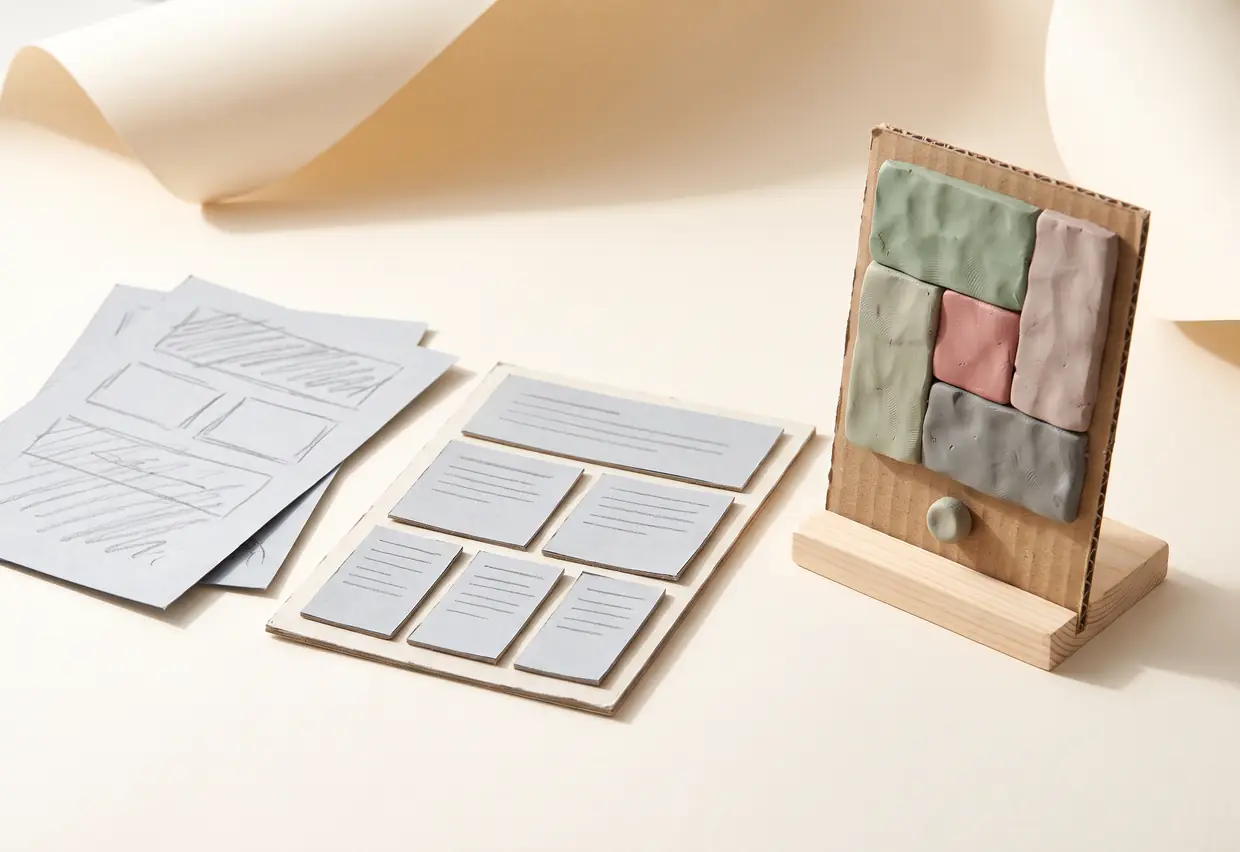
Same route,
whatever gets built.
A website, an app, a system that runs a business, a piece of AI wired into an existing process — the four stages do not change. Only the length of each one does.
What we buildWhat else
we work on.

It starts with
one conversation.
No preparation needed, no specification required. Describe what is in the way — the rest is our job.